
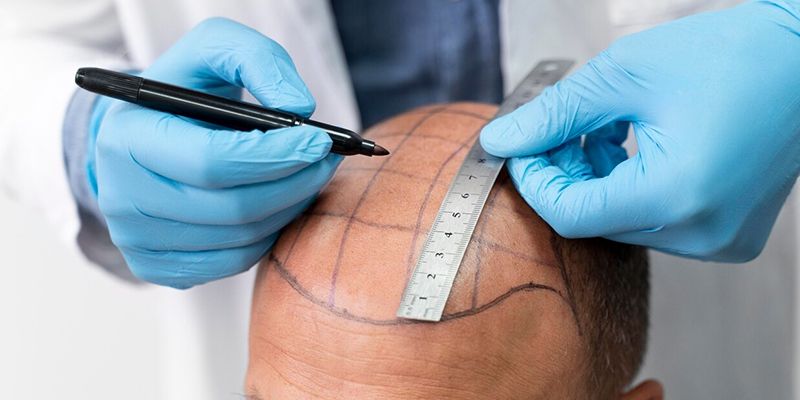
Hair loss affects millions of people worldwide, impacting confidence, appearance, and even emotional well-being. While temporary solutions like topical treatments and medications exist, the future of hair transplant lies in advanced, science-driven approaches that offer long-lasting, natural results. Today, modern hair transplant surgery is leading the way in transforming the way we treat hair loss.
Understanding the Evolution of Hair Restoration
Hair restoration has come a long way. In the past, options were limited and results often looked unnatural. Modern treatments are now:
Precision-driven: Using advanced technology to transplant individual follicles with exact placement and angle.
Minimally invasive: Techniques like Follicular Unit Extraction (FUE) ensure faster recovery and minimal scarring.
Personalized: Every treatment is tailored to the patient’s hair type, density, and future hair loss patterns.
This evolution means patients can achieve results that not only restore hair but also enhance natural appearance and confidence.
Advanced Techniques Leading the Future
Follicular Unit Extraction (FUE)
FUE allows surgeons to extract individual hair follicles from the donor area and implant them into thinning or bald areas. Benefits include:
Natural-looking results
Minimal downtime
Precision placement for optimal hairline design
Follicular Unit Transplantation (FUT)
FUT remains an effective option for patients requiring larger graft numbers, ensuring efficient use of donor hair while maintaining natural density.
The Role of Technology and Science
The future of hair restoration combines surgical expertise with cutting-edge technology:
Microscopic graft handling for high survival rates
Digital planning to design hairlines suited to facial structure
Evidence-based approaches to predict growth patterns and long-term results
These innovations make hair transplant surgery more reliable, predictable, and satisfying than ever before.
Personalized Treatment for Long-Term Results
No two patients experience hair loss the same way. A successful, forward-thinking approach to hair restoration considers:
Pattern and stage of hair loss
Hair texture and donor hair quality
Age and future hair loss risk
Personal style and aesthetic goals
Tailoring the procedure ensures natural, lasting results that grow with you over time.
Recovery and Growth Timeline
Hair transplant surgery is performed under local anesthesia, and most patients return home the same day. New hair growth generally begins within 3–4 months, with full results visible within 9–12 months. The process is gradual, giving a natural progression of restored hair.
Beyond Hair—Restoring Confidence
Advanced hair restoration is about more than appearance. It helps patients regain self-confidence, comfort, and peace of mind. The future of hair loss treatment is as much about emotional well-being as it is about physical transformation.
Is Modern Hair Transplant Right for You?
A consultation with a qualified medical professional can help determine:
Your suitability for surgery
Expected results and growth patterns
Long-term maintenance and care
Conclusion
The future of hair loss treatment starts with science, technology, and personalized care. Modern hair transplant surgery offers permanent, natural results that restore hair—and confidence—better than ever before. With ongoing innovation, patients now have access to solutions that are effective, safe, and tailored to their unique needs.