
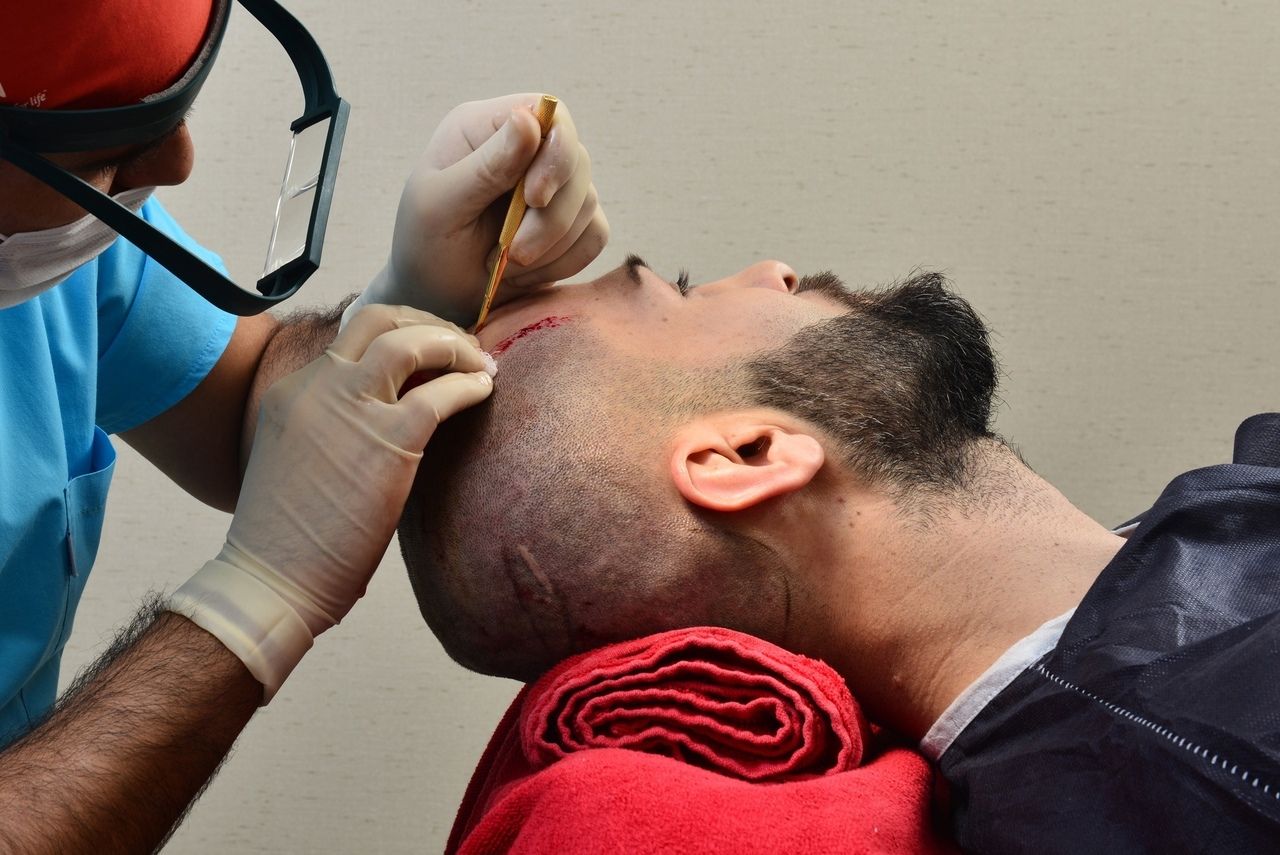
A hair transplant is a life-changing procedure that can restore your hairline, boost your self-esteem, and give you a more youthful appearance. However, it’s important to understand what the process entails so you can make informed decisions and ensure a smooth experience. Knowing what to expect before, during, and after your hair transplant will help you prepare both mentally and physically for the procedure, and help you achieve the best possible results. Visit our site tyo know aboput hair transplant cost in riyadh (تكلفة زراعة الشعر في الرياض)
In this blog, we’ll walk you through the entire journey—from the initial consultation to the final stages of recovery—so you know exactly what’s coming every step of the way.
Before the Hair Transplant: Preparation and Expectations
1. Initial Consultation
The first step in the hair transplant process is the consultation with a qualified hair restoration specialist or dermatologist. During this appointment, your doctor will assess your hair loss pattern, discuss your goals, and determine the best approach for your needs. They will also review your medical history to ensure you are a good candidate for the procedure.
What to Expect During the Consultation:
Hair and Scalp Evaluation: The doctor will examine your scalp to assess the extent of hair loss and evaluate the condition of your hair follicles.
Discussion of Options: Your doctor will explain the different hair transplant techniques available, such as Follicular Unit Extraction (FUE) or Follicular Unit Transplantation (FUT). They will help you understand the pros and cons of each option based on your specific situation.
Expected Results: The doctor will discuss the likely outcomes and realistic expectations for your hair transplant results.
Cost and Financing: You’ll also receive an estimate of the cost of the procedure, along with payment options and potential financing plans.
2. Pre-Surgery Preparation
Once you’ve decided to go ahead with the procedure, there are a few things you’ll need to do to prepare for the transplant:
Avoid Certain Medications: Your doctor may advise you to stop taking medications like blood thinners, aspirin, and anti-inflammatory drugs for a week or two before the procedure.
Wash Your Hair: On the day of the surgery, you’ll be instructed to wash your hair thoroughly before arriving at the clinic. This ensures that your scalp is clean and ready for the procedure.
Arrive with a Clean Scalp: A clean scalp minimizes the risk of infection and helps ensure better results.
Arrange for Transportation: Since you may be given sedatives or local anesthesia during the procedure, it’s a good idea to arrange for someone to drive you home afterward.
During the Hair Transplant: The Procedure
A hair transplant is typically performed on an outpatient basis, meaning you’ll go home the same day. Here’s what you can expect during the actual procedure:
1. Anesthesia
Before starting the transplant, your surgeon will apply local anesthesia to numb your scalp. This ensures that you won’t feel pain during the procedure, although you may experience some discomfort or mild pressure. In some cases, a sedative may be given to help you relax.
2. Harvesting Hair Follicles
The method of follicle harvesting will depend on the technique used:
FUE: In Follicular Unit Extraction, individual hair follicles are harvested from the donor area (usually the back or sides of your scalp) using a tiny punch tool. This method leaves no linear scar, and the recovery time is relatively short.
FUT: In Follicular Unit Transplantation, a strip of skin is removed from the donor area. The strip is then divided into smaller follicular units that will be transplanted to the balding areas. FUT typically leaves a linear scar, which may be visible if you wear very short hair.
The extraction process can take several hours, depending on the size of the transplant area and the number of follicles being harvested.
3. Graft Placement
Once the follicles are harvested, the surgeon will carefully create tiny incisions in the recipient area (the thinning or bald spots). They will then place the healthy hair follicles into these incisions, ensuring that they are positioned at the right angle and density for natural-looking results.
4. The Length of the Procedure
The entire procedure can take anywhere from 4 to 8 hours, depending on the extent of the transplant. If a large area is being covered, multiple sessions may be required. It's important to remain patient during this time—your surgeon and the staff will ensure you're as comfortable as possible.
After the Hair Transplant: Recovery and Results
1. Immediately After Surgery
After the procedure, you’ll be taken to a recovery area where you can relax for a while. You may experience mild swelling, redness, or tenderness in both the donor and recipient areas. These side effects are typically temporary and should subside within a few days.
Bandages and Medication: The surgeon may place bandages over the recipient and donor sites to protect them. You may be prescribed pain medication, anti-inflammatory drugs, and antibiotics to reduce discomfort and prevent infection.
Hair Washing Instructions: You'll be given specific instructions on how to wash your hair after the procedure. Typically, you’ll be asked to avoid shampooing the transplanted area for the first few days to let it heal.
2. The First Week of Recovery
The first week after your hair transplant is crucial for the healing process. While the initial discomfort usually subsides within a few days, you may experience the following:
Swelling: Some patients experience swelling in the forehead or around the eyes, which typically lasts 2 to 3 days.
Scabs and Crusting: It’s common to develop small scabs around the transplanted hair follicles. These scabs will naturally fall off within 7 to 10 days.
Shedding: It’s normal for the transplanted hair to shed in the first 2 to 3 weeks. This is known as “shock loss,” and it’s a natural part of the hair regrowth cycle. Don’t be alarmed; new hair growth will begin within a few months.
3. The First Few Months
As your hair heals and the follicles begin to settle in, you will begin to notice new hair growth. However, it’s important to understand that the process of full regrowth can take several months:
3 to 4 Months: Around 3 to 4 months after the procedure, you’ll start to see the early stages of new hair growth. Initially, it may appear fine or sparse, but it will thicken as time passes.
6 to 9 Months: By the 6-month mark, the transplanted hair will become more noticeable, and the growth will continue to improve.
1 Year: The full results of the transplant are typically visible around the 1-year mark, when your hair will have reached its final density and texture.
4. Long-Term Care and Maintenance
Once you’ve recovered from the transplant, maintaining healthy hair is key. Follow the post-op instructions provided by your doctor to avoid complications. Regular check-ups with your surgeon are also important to track progress and ensure the transplanted follicles are thriving.
For some people, additional hair restoration treatments like PRP (Platelet-Rich Plasma) therapy may be recommended to enhance the results and promote further hair growth.
Conclusion: A Hair Transplant Journey
A hair transplant can dramatically improve your appearance and restore your confidence. By understanding what to expect before, during, and after the procedure, you’ll be better prepared for the experience. Remember, patience is key—while the results may take several months to fully materialize, the outcome will be well worth the wait.
If you’re considering a hair transplant, consult with a qualified specialist to discuss your options, expectations, and the best course of action for your specific needs. With the right planning and care, you’ll be well on your way to enjoying a fuller, healthier head of hair.